
Protecting Your Hearing During Holiday Concerts and Events
Holiday concerts tend to fill up the calendar quickly. In Topeka, you
By: Amber Pfeifer, Au.D | October 27, 2026
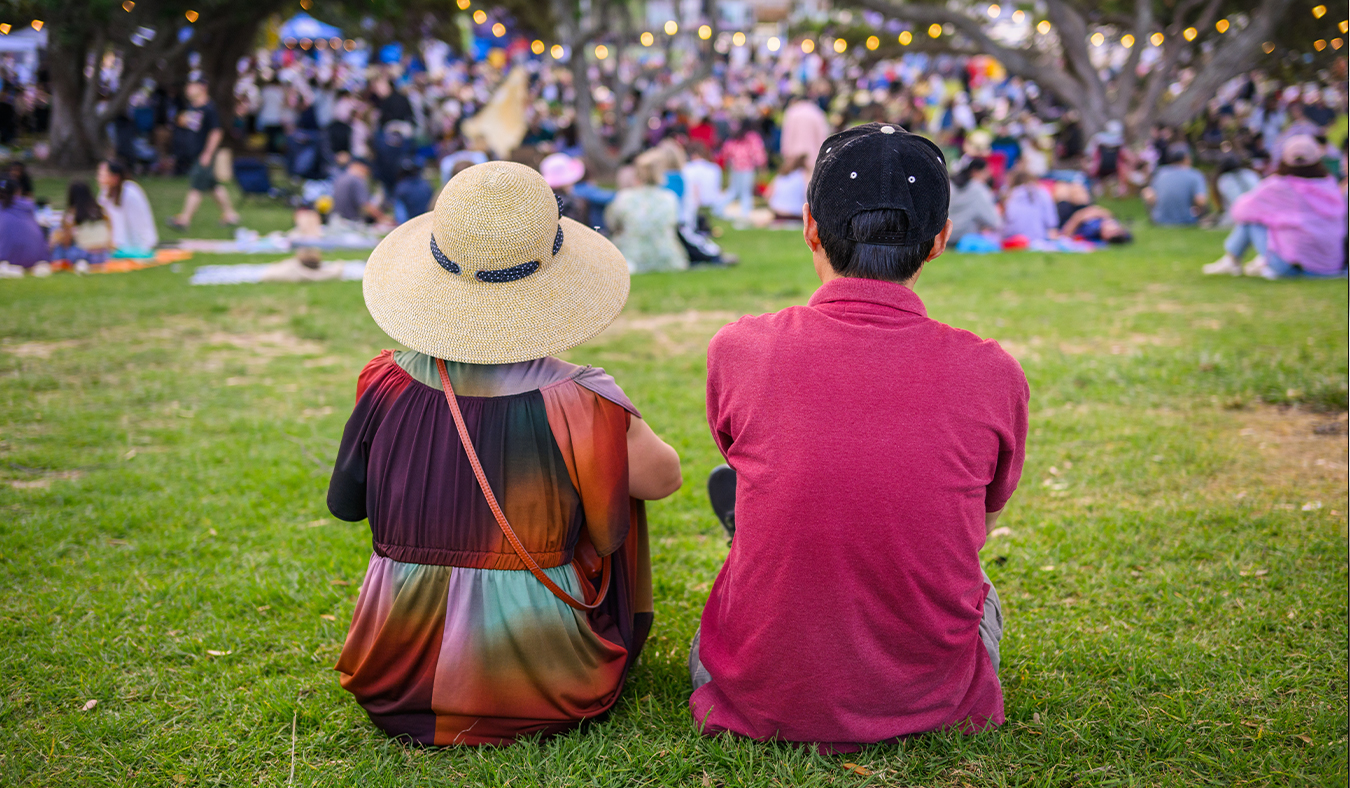
Holiday concerts tend to fill up the calendar quickly. In Topeka, you might have tickets to a show at the Topeka Performing Arts Center or plans to watch a family member perform.
There’s something fun about hearing familiar holiday songs played live, especially when the audience starts singing along. You’re probably paying more attention to the performance than how loud everything sounds.
Of course, not every holiday event sounds the same. A school choir in a small auditorium is different from a concert with a full band and large speakers.
Where you’re sitting can change how loud the music feels, too. And when you’ve got several events planned throughout the season, you may not give much thought to how much noise your ears are taking in.
Music can sound quite different depending on where you’re listening to it. In a large auditorium, sound spreads out from the stage and bounces off the walls, ceiling and floor.
Some of it reaches your ears directly, while the rest arrives a moment later after reflecting around the room. That’s why certain notes seem to hang in the air, even after the musicians have stopped playing them.
In a smaller room, sound doesn’t have as far to travel before it hits a wall or another surface. This can make the music seem louder in some areas than others.
Carpeting, curtains and padded seats absorb some sound, while bare walls and windows reflect more of it. Outdoor performances don’t have as many surfaces for sound to bounce off, but speakers can still be loud.
Even at the same concert, what you hear can change depending on where you’re sitting and how close you are to the speakers.
Holiday gatherings can get pretty loud, especially when you’ve got music playing and several conversations happening at once. You might not realize how much noise is around you until you have to raise your voice to talk to someone nearby.
Some of the louder sounds you may encounter include:
Sounds around 70dB or lower are generally safe to listen to for long periods. Once noise reaches 85dB, spending several hours around it regularly may damage your hearing.
Live concerts can reach 100dB or higher, especially if you’re sitting or standing near the speakers. At that volume, even 15 minutes without hearing protection may be enough to put your hearing at risk.
The tricky part is that music doesn’t always seem too loud when you’re enjoying it. If you have to shout to talk to someone standing an arm’s length away, that’s a sign the volume is high.
Being close to the stage doesn’t always mean you’re getting the best listening experience. At some concerts, the instruments or speakers nearest your seat may overpower everything else.
You could hear the drums much louder than the vocals, for example. Moving farther back changes the balance of sound reaching your ears and may also reduce how much noise you’re exposed to.
Sound generally becomes quieter as it travels away from its source, particularly in open spaces. Inside a concert hall, though, reflections from the walls and ceiling can keep certain areas surprisingly loud.
That’s why moving a short distance doesn’t always produce the change you’d expect. Choosing a seat farther from the main speakers may reduce your exposure, but hearing protection is still useful when the overall volume is high.
It’s easy to stay in your seat for an entire concert, especially when you’re enjoying the performance. But if the music is loud, stepping out for a few minutes cuts down on how long your ears are exposed to it.
You might use the intermission to find a quiet spot or head outside for a little while. You don’t need to miss half the show to spend some time away from the noise.
Just make sure you’re getting away from the music. The lobby may still be noisy if it’s crowded or has speakers playing overhead. If you’ve got several holiday concerts or parties coming up, consider how much loud sound you’re hearing over those days.
Your ears don’t necessarily recover from one loud event before you’re exposed to another. Taking breaks reduces your total exposure, but it doesn’t replace hearing protection when the music is particularly loud.
Your phone can give you a rough idea of how loud things are at a concert or holiday event. Several apps use your phone’s microphone to measure sound in decibels.
You can check the reading during a performance and see whether the volume stays steady or changes between songs. Some apps also keep track of how long you’ve been around loud noise, so you don’t have to watch the screen the whole time.
The readings won’t always be exact, though. Different phones have different microphones, and some apps are more accurate than others.
You might also see two numbers on the screen: an average volume and the highest level recorded. The average tells you what the noise has been like over a period, while the highest reading shows brief spikes.
You shouldn’t treat the app as a guarantee that a sound level is safe, but it’s useful for checking noise you might otherwise underestimate.
You don’t have to be standing in front of a concert speaker to benefit from wearing earplugs. Holiday parties with live music or DJs can get loud, particularly when you’re there for a few hours.
Depending on the event, you have several options to choose from:
If the ringing hasn’t stopped or sounds still seem different the following day, it’s a good idea to contact an audiologist. You may also want to schedule a visit if conversations have become harder to follow after several loud events.
At your appointment, your audiologist will ask about the concerts or parties you’ve attended and when you first noticed something was different. A hearing test can check whether you’re having trouble hearing certain pitches.
If you’ve had your hearing tested before, they can compare the results to see what’s changed. You can also talk about the kinds of events you attend and what hearing protection would work for you.
You can enjoy a holiday concert without spending the whole performance thinking about your hearing. Bringing earplugs along or choosing a seat away from the speakers doesn’t have to change your plans.
You might not need them at every event, but it’s nice to have the option when the music gets louder than expected. And if your ears are ringing when you get home, pay attention to whether that feeling goes away.
If you’re going to several concerts or parties this season, we can talk about ways to protect your hearing without giving up the events you enjoy. At Professional Hearing Aid Associates in Topeka, KS, we can check your hearing and discuss earplugs that suit the places you visit.
Whether you’ve noticed changes or just want to be prepared for future events, call us at (785) 940-4101 to arrange an appointment.
Tags: custom earplugs, hearing loss prevention tips, hearing protection products
Holiday concerts tend to fill up the calendar quickly. In Topeka, you
By: Amber Pfeifer, Au.D | October 27, 2026
A summer night at Evergy Plaza or a concert at Stormont Vail Events Center
By: Amber Pfeifer, Au.D | August 24, 2026
A hearing evaluation gives you a lot of information in a short amount of
By: Amber Pfeifer, Au.D | May 18, 2026